

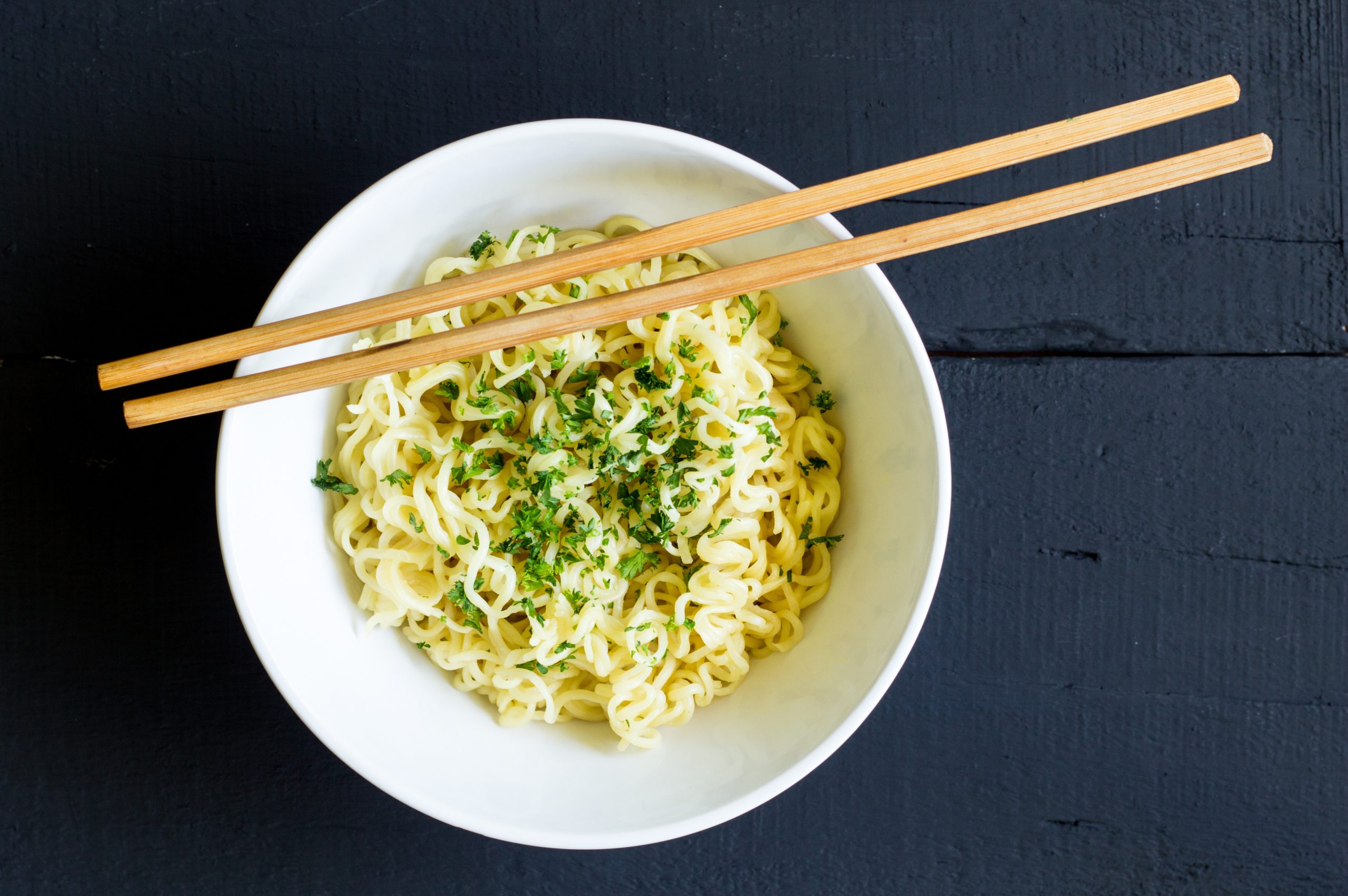
When it comes to back to school, while students from elementary school to university are getting ready for a new semester filled with classes, assignments, and packed lunches. The humble 2-minute noodle stands out as an unexpected hero. What many see as just a quick meal can actually be much more. By focusing on sustainability, adding academic benefits, and exploring global flavours, students and parents can make the most of 2-minute noodles. This January, let’s look at how this simple food can be transformed into something both exciting and useful.
Noodles with a purpose: sustainable eating on a budget
In a world increasingly focused on sustainability, 2-minute noodles are making a comeback, not just for their convenience, but for their role in a greener lifestyle. How? By reducing food waste and incorporating eco-friendly practices into meal preparation.
1. The minimalist’s dream: less waste, more taste
2-minute noodles are incredibly versatile and create a base for countless meals, reducing food waste. Instead of tossing out leftover vegetables or meat, you can easily incorporate them into your noodle dish. This practice aligns perfectly with sustainable eating habits by ensuring that every ingredient has a purpose.
2. DIY noodle kits: a green revolution
Parents can take the lead in this green initiative by creating DIY noodle kits for their children. These kits can include pre-cooked noodles, a small portion of homemade broth or sauce, and dehydrated veggies. By using reusable containers, parents not only save money but also reduce the need for single-use plastics.
3. Campus community kitchens: noodles for all
University students can join the sustainability movement by participating in or creating community kitchens where they can cook in bulk, share resources, and learn eco-friendly cooking practices. 2-minute noodles, when combined with fresh, locally sourced ingredients, offer a way to enjoy delicious meals while minimising environmental impact.
Noodle hacks for academic success
As students tackle their studies, incorporating 2-minute noodles into their diet can also boost their academic performance. Here’s how:
1. Brain food boost
Noodles can be a quick source of energy, but adding brain-boosting ingredients can elevate their benefits. Consider mixing in nutrient-dense options like spinach (for iron), nuts (for healthy fats), or eggs (for protein). These additions not only enhance the meal’s nutritional value but also support cognitive function.
2. The study snack revolution
Transform 2-minute noodles into a study snack. Use a smaller portion of noodles with a flavourful broth as a comforting study aid. It’s a quick, warm treat that can help students stay focused and energized during long study sessions.
Cultural fusion: noodles around the world
Learners can turn their 2-minute noodles into a cultural exploration. By experimenting with international ingredients and flavours, they can embark on a culinary journey without leaving their dorm room. Here are a few ideas:
1. Korean Kimchi Noodles
Add kimchi, a staple in Korean cuisine, to your noodles for a spicy and tangy twist. Kimchi not only provides flavour but also offers probiotic benefits, which are great for digestion.
2. Mediterranean noodles
Mix in olives, feta cheese, and cherry tomatoes for a Mediterranean-inspired dish. This fusion not only adds a new flavour dimension but also incorporates healthy fats and vitamins.
3. Mexican fiesta noodles
Top your noodles with black beans, corn, avocado, and a sprinkle of cheese for a Mexican-inspired meal. This combination delivers a hearty and satisfying dish with a delightful kick.
2-Minute Noodles: Did you know?
Invented in Japan: instant noodles were created by Momofuku Ando in 1958, aiming to provide a quick and affordable meal. His first product was “Chikin Ramen.”
Global favourite: instant noodles are eaten in over 80 countries, with an estimated 100 billion servings consumed annually.
Speedy cooking: the name “2-minute noodles” highlights their quick cooking time, though some varieties may take a bit longer.
Innovations: the “Cup Noodles” were introduced in 1971, allowing noodles to be enjoyed in a cup with a built-in fork, adding even more convenience.
Space travel: instant noodles have been taken into space, with Japanese astronaut Soichi Noguchi testing them on the International Space Station in 2005.
Cultural impact: instant noodles are a global icon, featured in films, TV shows, and even art. They symbolise convenience and quick meals.
Economic influence: the instant noodle industry plays a significant economic role in countries like South Korea and China, contributing to local economies and employment.