

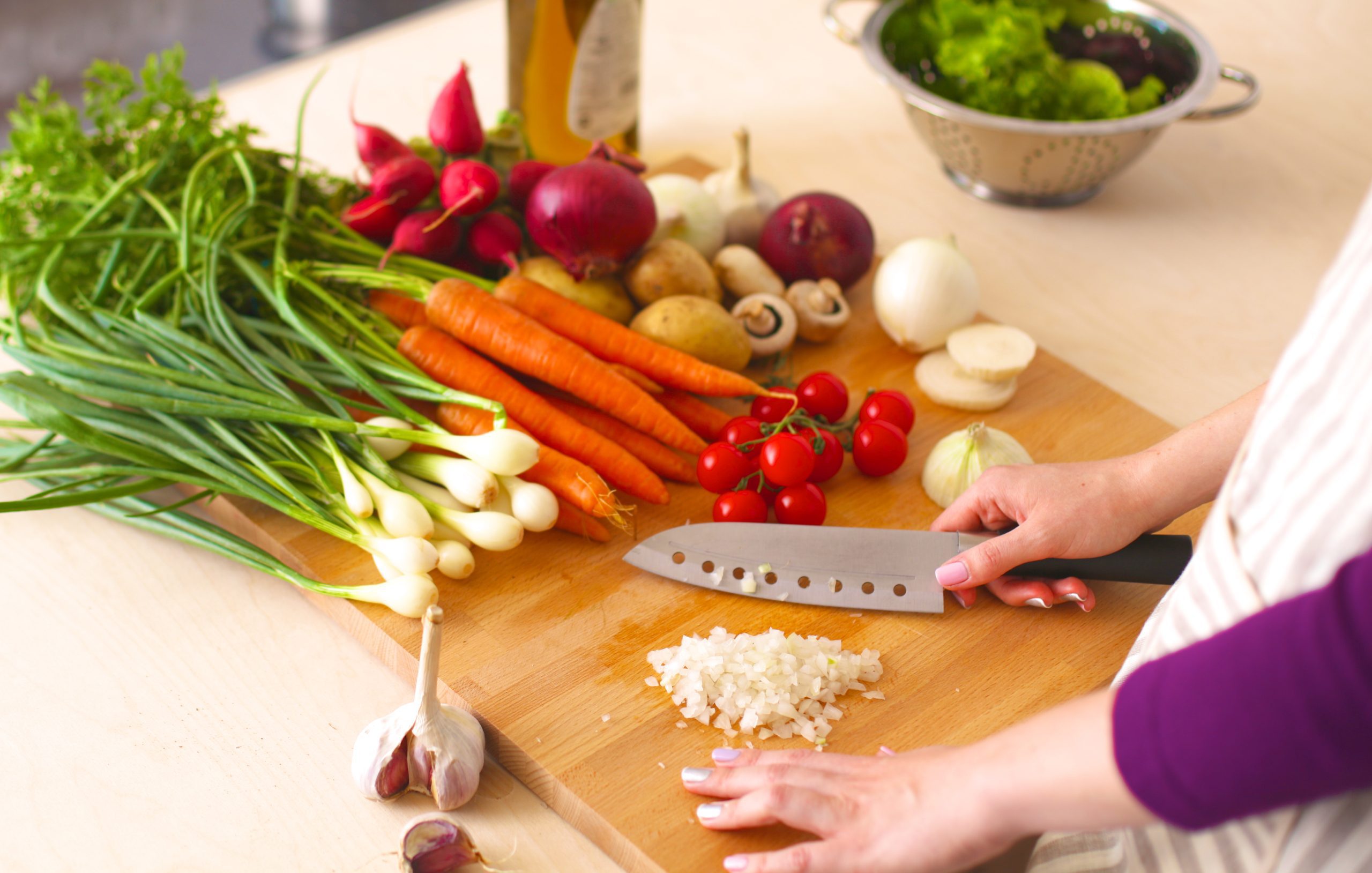
The most confident cooks rarely reach for a recipe book during weeknight dinners. Instead, they have an intuitive grasp of flavours, techniques, and proportions, transforming random ingredients into delicious, memorable meals.
This culinary confidence isn’t born from formal training but from mastering a few fundamental principles that any home cook can learn.
Understanding Flavour Foundations
Every cuisine relies on flavour bases that create depth. French cooking uses mirepoix – a combination of onions, carrots, and celery. Italian cooking builds on soffritto, with the same trio sautéed in olive oil. In South African cooking, the base often includes onions, garlic, ginger, and chilli.
Once you understand these foundations, you can create countless dishes by building upon them. Start with your base, add protein, vegetables, and finish with liquid – stock, wine, or tinned tomatoes.
The Power of Ratios, Not Measurements
Forget precise measurements for everyday cooking. Instead, focus on basic ratios that work universally. For vinaigrette, use three parts oil to one part acid, whether that’s olive oil and lemon juice or sunflower oil and vinegar. Risotto requires one part rice to three parts warm liquid, added gradually while stirring.
Pasta water should taste like seawater – salty enough to notice but not overwhelming. Roasting vegetables calls for just enough oil to coat them lightly, heated hot enough to sizzle when they hit the pan.
Tasting as You Go: Your Most Important Tool
Professional chefs taste constantly while cooking, adjusting seasoning and balance as they go. This process isn’t about following instructions, it’s about developing your palate and understanding how flavours evolve. Salt enhances flavours, acid brightens, and umami deepens satisfaction.
Creamy Peri Peri Chicken Livers & Mushrooms
Building Flavour Layers
Confident cooking means adding complexity without overcomplication. Brown your proteins for deeper flavour, deglaze the pan with wine or stock to capture caramelised bits, and bloom spices in oil to release essential oils. Each step builds flavour, turning simple ingredients into something extraordinary.
Embrace Substitution and Adaptation
Recipe-free cooking is about using what you have on hand. No white wine for the risotto? Use vegetable stock with a splash of lemon juice. No fresh herbs? Dried herbs can work just as well when used properly.
Understanding ingredient families helps with substitutions. Alliums (onions, garlic, shallots, leeks) and brassicas (cabbage, Brussels sprouts, broccoli) can often be interchanged.
Trust Your Instincts
The key ingredient in confident cooking is trusting yourself. If something smells ready, it probably is. If a sauce is too thick, add liquid. If the flavours seem flat, try adding acid or salt.
Start with simple techniques like sautéing vegetables, roasting proteins, and making simple sauces. Master these basics, and you’ll find yourself effortlessly creating meals without a recipe.
Even professional chefs learned through mistakes. Every overcooked steak and oversalted soup is a lesson no recipe can teach. The goal isn’t perfection – it’s developing the confidence to create delicious meals from whatever ingredients are around you.
Essential Flavours