

Grant Bushby
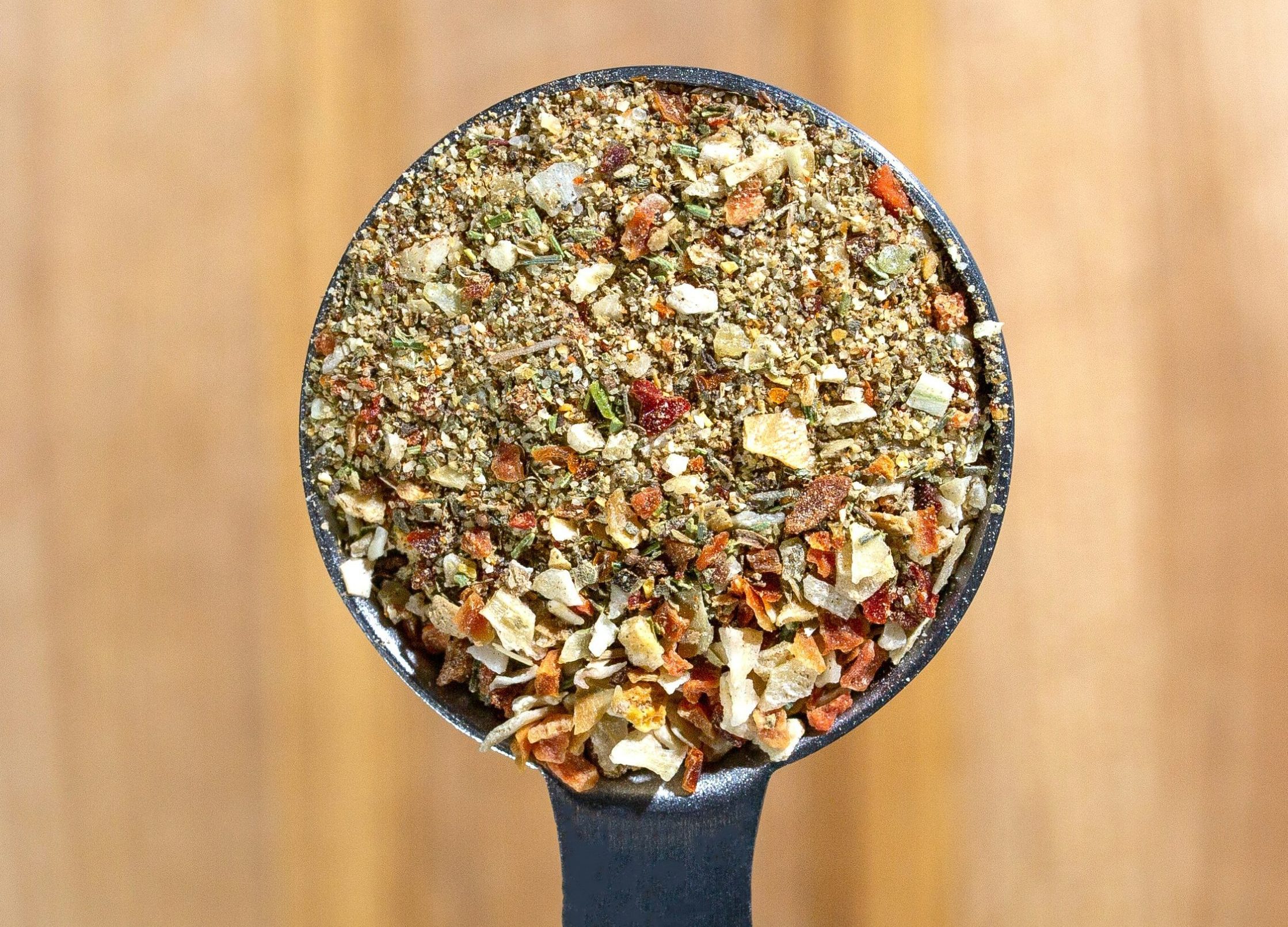
Once considered the secret weapon of American pitmasters, dry rubs have become one of the hottest trends in home cooking. From backyard braais and wood-fired grills to weeknight roasts and air-fryer dinners, cooks everywhere are discovering that a carefully crafted rub can transform an ordinary piece of meat, poultry or fish into something extraordinary.
Unlike marinades, which rely on liquid ingredients and often require hours of soaking, dry rubs are blends of herbs, spices, salt and sometimes sugar that are massaged directly onto food before cooking. They create flavour-packed crusts, enhance browning, and can even help tenderise meat when salt is included in the mix.
Today, supermarket shelves are lined with commercial rubs promising everything from Texas-style brisket to Cajun chicken. Yet many chefs argue that the best rubs are still the ones made at home, tailored to individual tastes and specific cuts of meat. A good rub does far more than simply add flavour. Salt penetrates the surface of the meat, helping it retain moisture during cooking.
Sugar caramelises and contributes colour and sweetness. Herbs and spices add complexity, while ingredients such as mustard powder, garlic, onion powder and chilli provide depth and character. As the food cooks, the rub forms a flavourful crust or bark. On steaks and slow-cooked barbecue cuts, this crust becomes one of the most prized elements of the finished dish.
The beauty of rubs lies in their simplicity. With nothing more than a handful of spices and a few minutes of preparation, cooks can create restaurant-quality flavour at home. Whether you’re grilling a premium rib-eye, slow-smoking pork ribs, roasting a leg of lamb, braaing chicken cuts or searing fresh fish, the right rub can elevate the dish from good to unforgettable.
As barbecue culture continues to flourish around the world, one thing is clear: rubs are no longer a niche technique. They have become an essential part of the modern cook’s flavour arsenal. But like most everything in cooking, there are several golden rules to follow to get the best out of your rub.
These include:
- Pat food dry first. Moisture prevents spices from adhering properly. Always dry meat, poultry or fish with paper towels before applying a rub.
- Use enough rub. Many home cooks are too conservative. The surface should be generously coated but not buried beneath a thick layer.
- It’s not called a “rub” for nothing. Use clean hands to really rub and massage the mixture into the meat making sure it is evenly and well coated.
- Give it time. For steaks, 30 to 60 minutes is usually sufficient. Larger cuts such as pork shoulder, brisket or lamb leg benefit from several hours or overnight refrigeration.
- Oil lightly. A light coating of olive oil helps the rub adhere and promotes even browning.
- Match the rub to the protein. Fish requires lighter, brighter flavours, while beef can handle bold spices. Pork often benefits from sweetness, while lamb pairs beautifully with herbs. Chicken is one of the most versatile meats for dry rubs because it pairs well with everything from smoky barbecue flavours to bright Mediterranean herbs and bold Middle Eastern spices.
- Most importantly, make sure the herbs, spices and other ingredients you use are as fresh as possible. See *Chef’s Note.
Keen to make your own? Here are a few classic rub recipes:
Classic Beef Rub
Perfect for rib-eye steaks, brisket and beef ribs.
Ingredients
- 2 tablespoon coarse sea salt
- 2 tablespoon cracked black pepper
- 1 tablespoon smoked paprika
- 1 tablespoon garlic powder
- 1 teaspoon onion powder
- 1 teaspoon mustard powder
- 1 teaspoon cayenne pepper
Method
1. Mix all ingredients thoroughly. Apply generously to beef at least one hour before cooking.
Mediterranean Lamb Rub
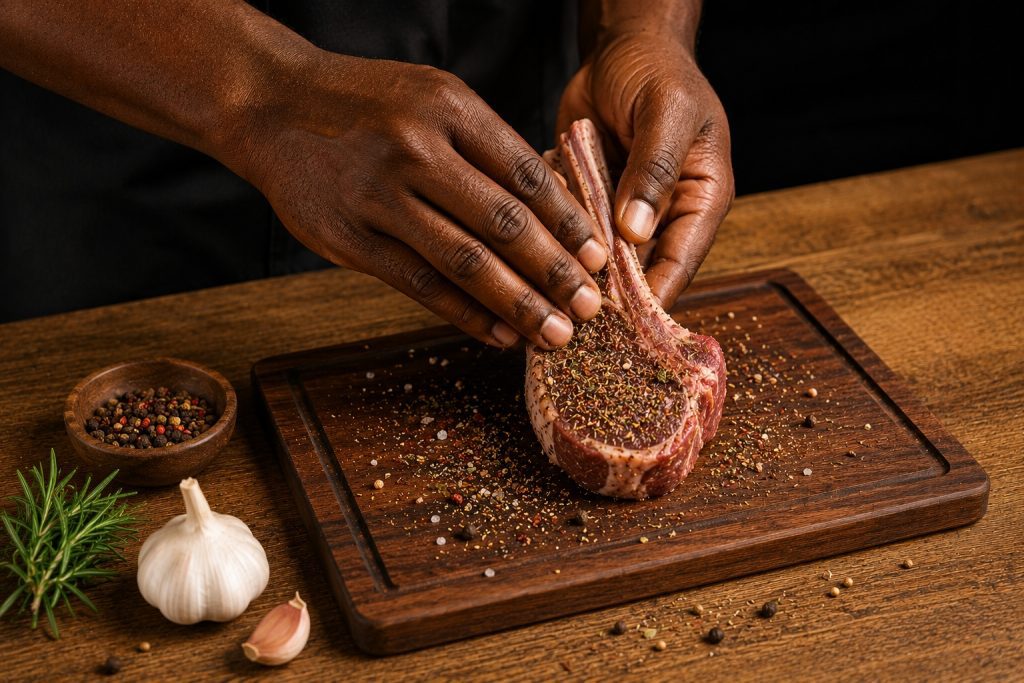
Ideal for lamb chops, racks and leg of lamb.
Ingredients
- 2 tablespoon sea salt
- 1 tablespoon dried rosemary
- 1 tablespoon dried oregano
- 1 tablespoon garlic powder
- 1 teaspoon lemon zest
- 1 teaspoon black pepper
- 1 teaspoon ground coriander
Method
- Combine ingredients and massage into lamb. Refrigerate for 2–12 hours before roasting or grilling.
Sweet and Smoky Pork Rub
Excellent on pork shoulder, ribs and pork chops.
Ingredients
- 3 tablespoon brown sugar
- 2 tablespoon smoked paprika
- 1 tablespoon sea salt
- 1 tablespoon garlic powder
- 1 tablespoon onion powder
- 1 teaspoon black pepper
- 1 teaspoon mustard powder
- ½ teaspoon cayenne pepper
Method
- Rub generously onto pork and refrigerate overnight for best results.
Herbed Chicken Rub
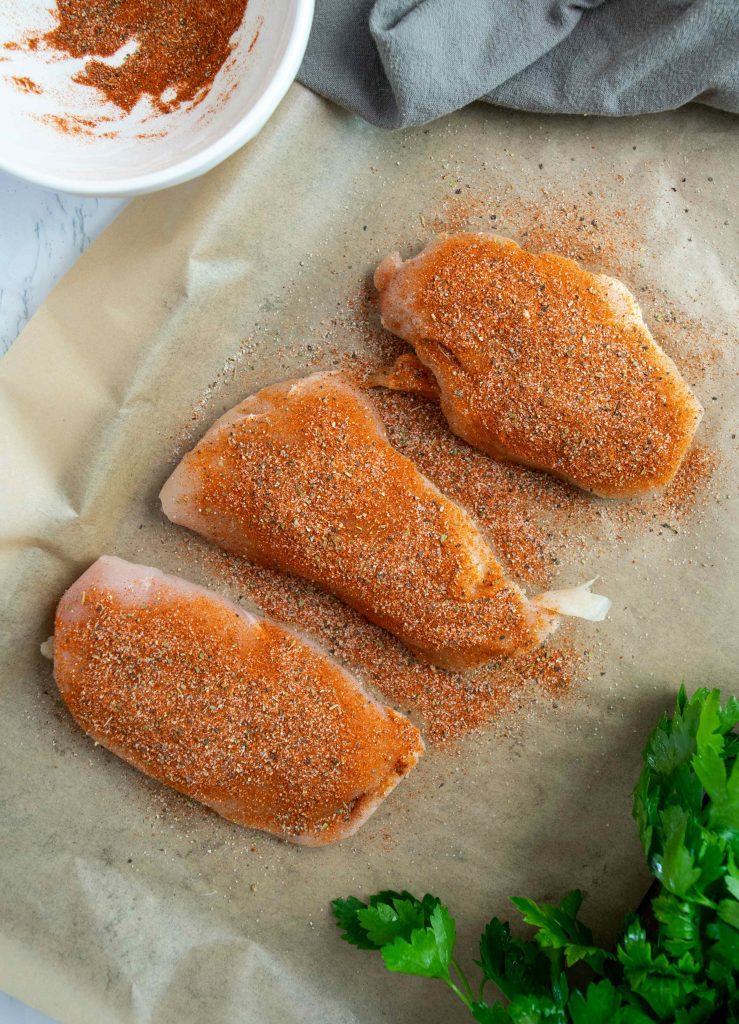
Perfect for whole chickens, drumsticks and wings.
Ingredients
- 2 tablespoon sea salt
- 1 tablespoon sweet paprika
- 1 tablespoon garlic powder
- 1 tablespoon onion powder
- 1 teaspoon dried thyme
- 1 teaspoon dried oregano
- 1 teaspoon black pepper
- ½ teaspoon chilli flakes
Method
- Coat chicken evenly and allow to stand for at least one hour before cooking.
Citrus Fish Rub
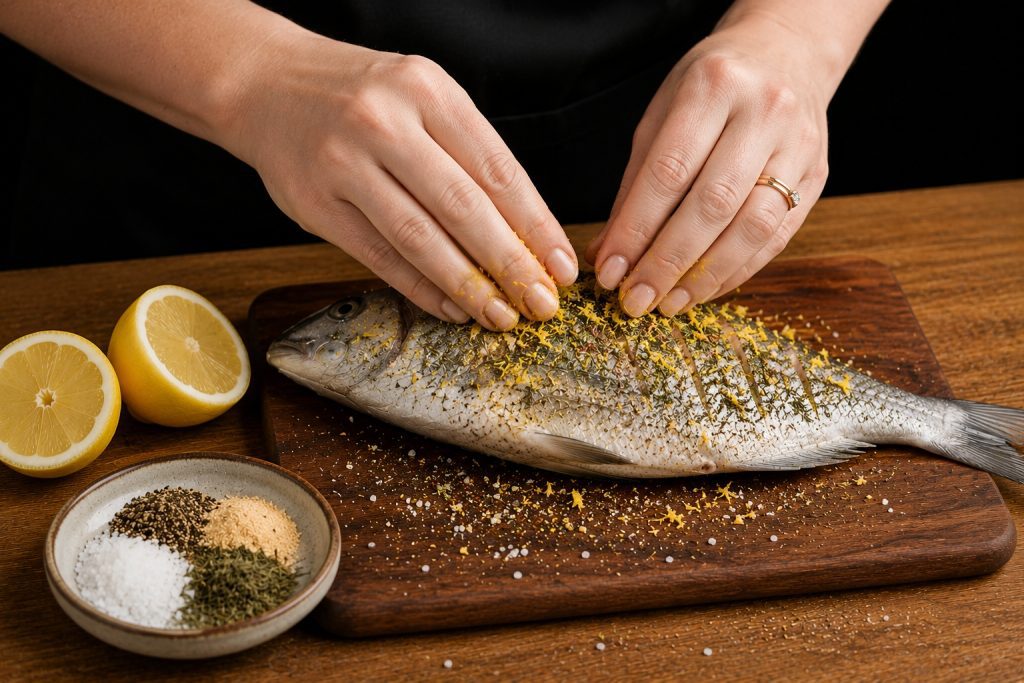
Works beautifully with salmon, snapper, kingfish and tuna.
Ingredients
- 1 tablespoon sea salt
- 1 teaspoon white pepper
- 1 teaspoon garlic powder
- 1 teaspoon lemon zest
- 1 teaspoon dried dill
- ½ teaspoon smoked paprika
Method
1. Apply lightly to fish 15–20 minutes before cooking.
Steak Rubs Every Braai Master Should Know
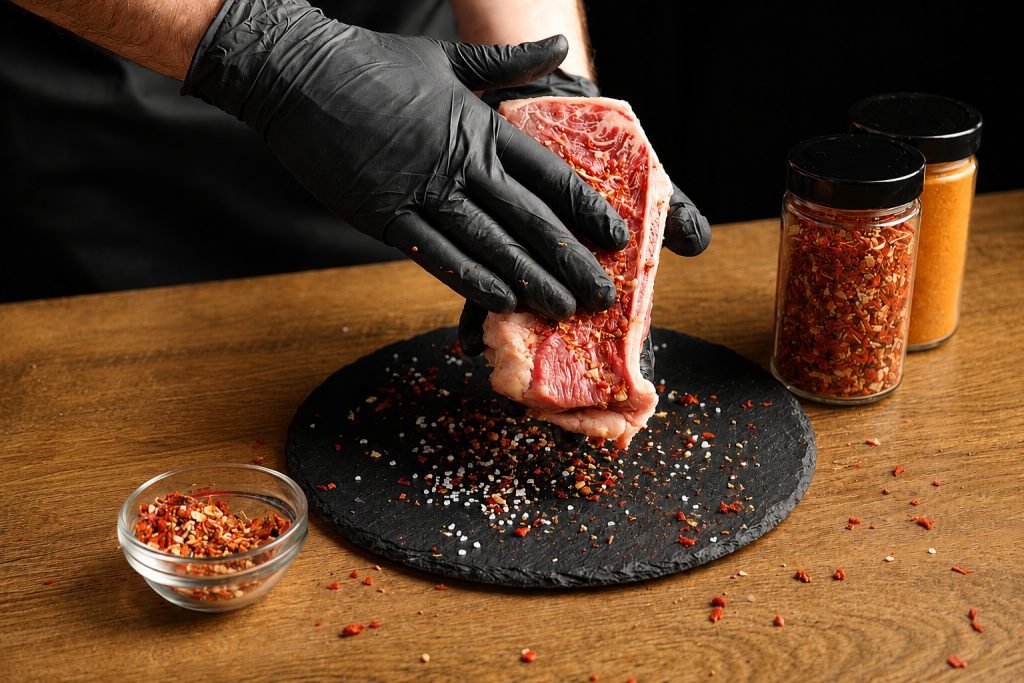
Few foods benefit more from a great rub than a well-marbled steak sizzling over hot coals.
Texas Steakhouse Rub: This simple blend is all about letting quality beef shine.
Ingredients
- 2 tablespoon coarse black pepper
- 2 tablespoon kosher salt
- 1 tablespoon garlic powder
- 1 teaspoon onion powder
Coffee and Pepper Steak Rub: The coffee intensifies beef flavour and creates a rich, dark crust.
Ingredients
- 1 tablespoon finely ground espresso coffee
- 1 tablespoon black pepper
- 1 tablespoon brown sugar
- 1 tablespoon smoked paprika
- 2 teaspoon sea salt
Montreal-Style Steak Rub: A classic that delivers a bold, savoury flavour.
Ingredients
- 2 tablespoon cracked black pepper
- 2 tablespoon coarse sea salt
- 1 tablespoon garlic granules
- 1 tablespoon coriander seeds, crushed
- 1 tablespoon paprika
- 1 teaspoon chilli flakes
Smoky Chipotle Steak Rub: Excellent for rib-eye and sirloin cooked over charcoal.
Ingredients
- 2 tablespoon smoked paprika
- 1 tablespoonchipotle powder
- 1 tablespoon brown sugar
- 1 tablespoon garlic powder
- 2 teaspoon sea salt
- 1 teaspoon cumin
Chef’s Note
Dried herbs and spices don’t spoil in the traditional sense, but they gradually lose their flavour, aroma and potency over time. On average, ground spices and dried herbs retain peak flavour for one to three years and whole spices for three to four years.
To test if your herbs and spices are still okay, use the sniff and rub test whereby you crush a small amount in your palm and give it a whiff. If it has a weak, dull scent or no aroma, it has lost its potency. You can also do a visual check and spices that appear faded or dull, or ground spices that become hard, lumpy, or caked (due to moisture) should be replaced.
Read Essential Flavours online