

For many diners, indulgence means ordering fillet instead of sirloin or choosing a better bottle of wine. In the world of ultra-premium dining, luxury operates on another level.
Certain ingredients are rare, tightly controlled and steeped in history. Their price tags rival fine jewellery.
South Africa’s expanding gourmet market and improved access to imports mean some of these ingredients are now within reach of discerning local diners and home cooks.
Almas caviar: the diamond of the sea
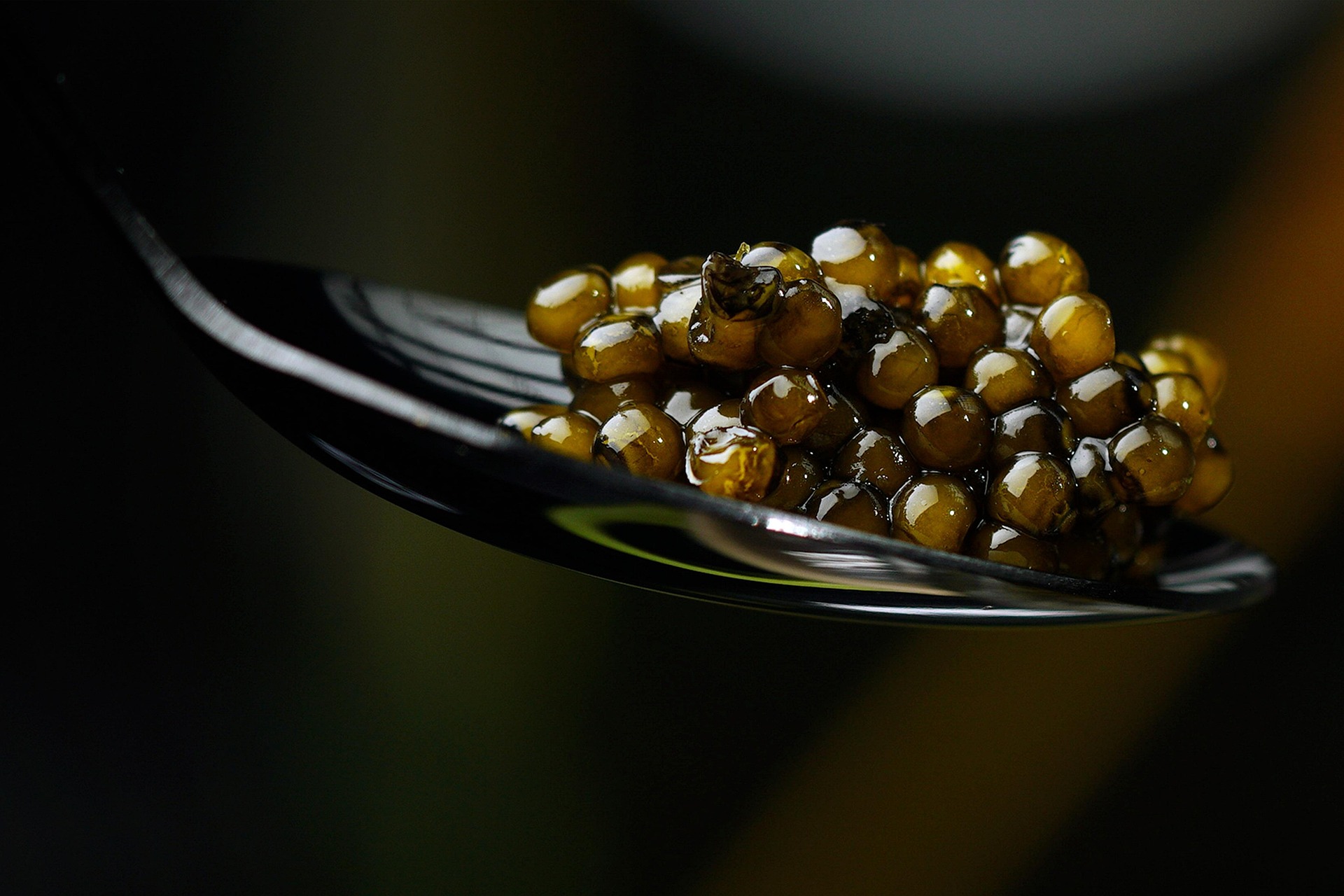
Almas caviar sits at the pinnacle of luxury ingredients, priced between $25,000 and $40,000 per kilogram. It comes from rare albino Beluga sturgeons in the Caspian Sea. The pearls are golden, buttery and delicately nutty in flavour.
Each tin is traditionally packaged in 24-carat gold. Scarcity and age drive value, with some fish reaching a century old.
Rova caviar: Africa’s luxury contender
Rova Caviar, produced by Acipenser in Lake Mantasoa, Madagascar, sells for around €11,670 per kilogram.
The high-altitude waters support rapid sturgeon growth. The result is a creamy caviar with brioche and hazelnut notes. Once doubted, the venture now supplies Michelin-starred restaurants and supports hundreds of local jobs.
White Alba truffles: fleeting forest treasure
White Alba truffle grows in Italy’s Piedmont forests. Trained dogs locate them beneath oak trees.
They sell for up to $300 per ounce. They cannot be cultivated and remain in season for only a few months each year. Their intense, garlicky aroma transforms simple dishes with a few shavings.
Saffron: red gold
Saffron remains the world’s most expensive spice, priced between $10 and $20 per gram.
Each thread is hand-harvested from crocus flowers. Over 70,000 blooms produce a single pound. Its aroma is floral and slightly honeyed, with a distinct bittersweet edge. From Persian rice to Spanish paella, saffron defines centuries of culinary tradition.
Kobe beef: precision and pedigree
Kobe beef originates from Tajima cattle in Japan’s Hyogo Prefecture.
Strict breeding standards and feeding protocols produce intense marbling that melts at body temperature. Authentic Kobe beef reaches $300 per pound. Limited certification and export quotas heighten demand.
Matsutake mushrooms: rare and revered
Matsutake grows at the base of red pine trees and resists cultivation.
With a firm texture and pine-like aroma, it commands up to $1,000 per pound. Environmental pressures have reduced supply, adding to its prestige in Japanese cuisine.
Extreme dining experiences
Luxury ingredients often anchor high-profile dishes.
In Mexico, the Grand Velas Resort serves a $25,000 taco featuring Kobe beef, Almas caviar and truffle. In Italy, the Louis XIII pizza includes lobster, multiple types of caviar, and cognac. In Las Vegas, the FleurBurger 5000 pairs wagyu, foie gras and truffle with a bottle of 1995 Petrus wine.
These dishes sell more than flavour. They sell exclusivity.
Why diners pay the premium
According to chefs and culinary experts, value lies in craftsmanship, heritage and scarcity.
Chef Alessandro Vitelli notes that ingredients such as white truffles, saffron and caviar represent generations of expertise and a direct connection to land and tradition.
A taste of luxury at home
Full indulgence may remain rare. Smaller portions offer access.
• Add a few saffron strands to risotto.
• Top blinis with a spoon of quality caviar.
• Shave truffle over scrambled eggs.
Select gourmet retailers across South Africa now supply smaller quantities of premium ingredients. Used carefully, even a small amount delivers impact.
Luxury in food extends beyond price. It reflects rarity, history and the story behind each ingredient.
For more Culinary news, click here