

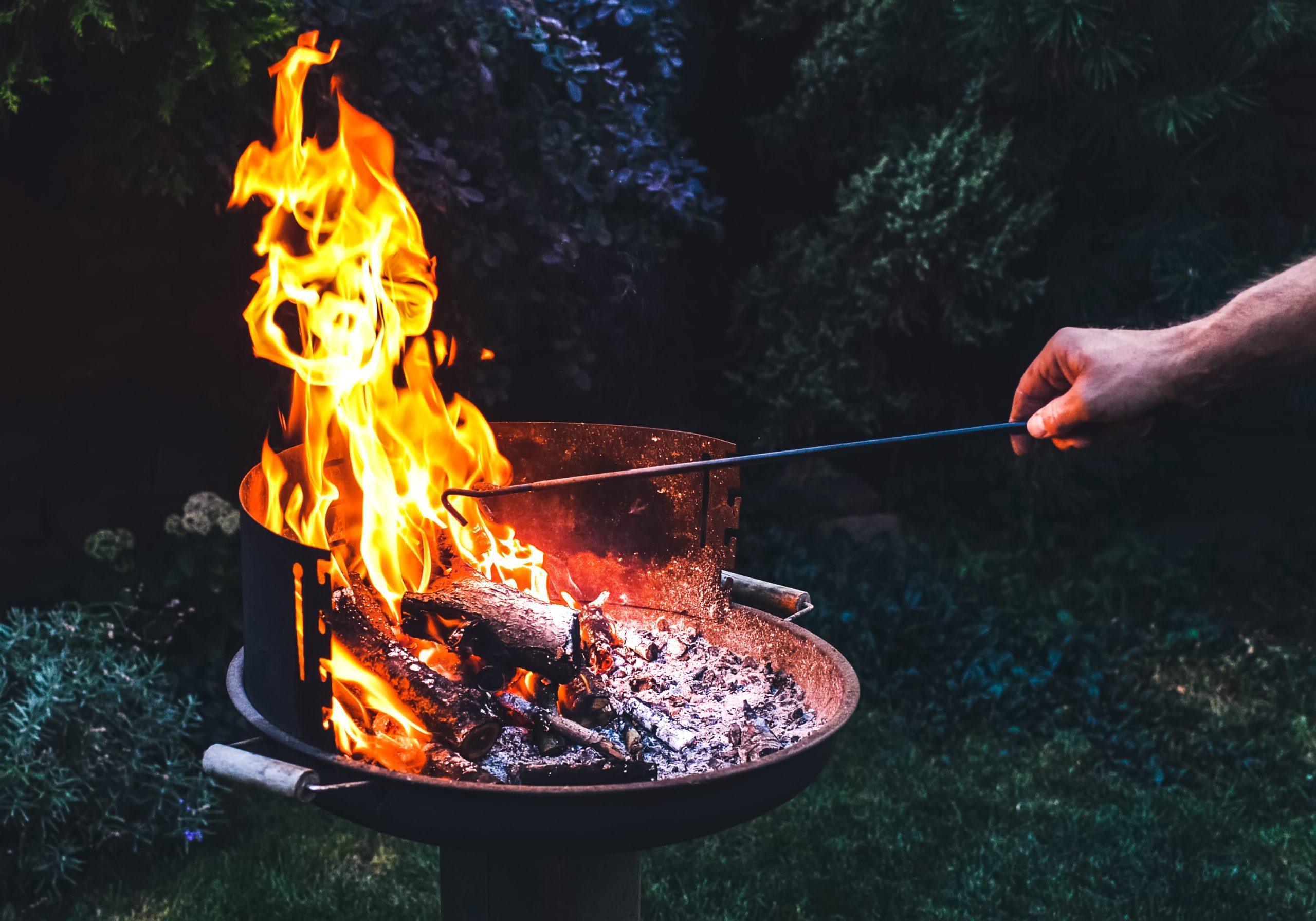
Open-fire cooking is surging across South Africa. Chefs, home cooks, and food lovers are turning back to wood, smoke, coals, and flame. What was once a weekend braai now shapes one of the country’s fastest-growing food movements.
Fire has always mattered here. Recent years shifted fire from habit to craft, and from tradition to creative expression.
Why fire cooking feels right now
South Africans have cooked over flame for generations. Fire preserved food, fed families, and gathered communities in the veld. Those roots still matter.
Modern chefs return to fire because it adds depth no appliance delivers. Smoke layers flavour. Coals caramelise. Time slows. Food feels honest.
This revival reflects a wider desire to cook with intention and presence.
From braai culture to culinary movement
Fire cooking now stretches far beyond chops and wors. Across the country, restaurants, wine farms, and private kitchens use live flame as a core technique.
From bushveld feasts to estate lunches, open fire sits at the centre of the experience. Guests eat food cooked in real time, guided by heat, instinct, and patience.
Wine estates such as Backsberg host regular braais where flame, food, and long tables come together.
Fire on the bookshelf
South African bookstores tell the same story. Shelves now hold cookbooks dedicated to cooking over flame.
Popular techniques include:
• ember baking
• pit cooking
• slow smoking
• potjie cooking revival
• wood-fired vegetables
• fish cooked directly on coals
These books focus less on strict recipes and more on rhythm, seasonality, and outdoor living.
A new way to cook vegetables and bread
Fire-cooked dishes shine with vegetables and dough. Chefs explore:
• charred naartjies
• smoked butternut
• blistered tomatoes
• ember-roasted garlic
• wood-infused butter
• slow-grilled lamb ribs
• bread baked in ash and coals
The contrast defines the appeal. Crisp skins meet soft centres. Smoke balances sweetness. Texture drives flavour.
Why chefs and home cooks love it
Fire cooking asks for attention. Heat shifts. Flames move. Food responds. You cook by feel rather than by measurement.
The process invites conversation. Flames draw people closer. Time stretches. Meals turn into shared moments rather than rushed outcomes.
This approach suits modern life in an unexpected way. It slows the pace while deepening the experience.
More than a trend
Open-fire cooking grows because it feels grounded. It connects memory with creativity and technique with heritage.
As more South Africans cook outdoors, fire becomes less about novelty and more about identity. This movement reflects a return to flavour, to patience, and to shared tables built around heat and smoke.