

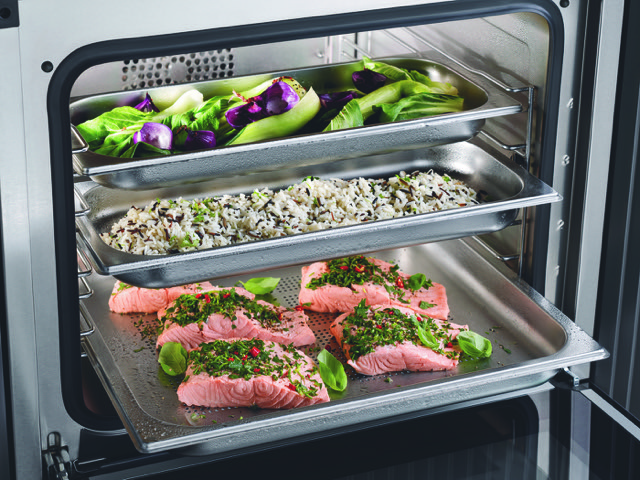
For years, home cooking has been dominated by dry heat methods such as roasting, grilling, baking and more recently air frying. While these techniques are effective for browning and crisping, they rely on high, dry heat that can strip away moisture and nutrients, require added oils and sometimes result in uneven cooking. Increasingly, home cooks are turning to steam for a more controlled and intuitive way of preparing food.
This shift is not driven by trends, but by results. Steam cooking produces consistently even outcomes, enhances natural flavour and offers a lighter approach to everyday meals.
“Steam cooking changes the way heat interacts with food,” says Sicelo Champion, Head of Brand Activation and Own Retail for Miele South Africa. “Because steam transfers heat gently and evenly, ingredients cook without losing their natural moisture. It also allows you to reduce added oils, retain more nutrients and cook in a way that is both efficient and safe.”
The science behind better results
At a scientific level, steam works through condensation, releasing energy evenly across the surface of the food. This creates a stable cooking environment that surrounds ingredients, helping them maintain their structure and nutritional value without exposure to harsh, drying heat.
The benefits are evident in the final dish. Vegetables retain their colour and bite, fish remains delicate and flaky, and poultry stays tender and juicy. With less reliance on fats and fewer nutrients lost during cooking, steam offers a straightforward way to prepare healthier meals without compromising on flavour.
“Steam allows ingredients to speak for themselves,” Champion adds. “You get cleaner flavours, better texture and a more refined result.”
Speed and safety in the kitchen
In addition to its health benefits, steam cooking is also both efficient, safe, and incredibly easy to clean. Cooking times are often reduced due to the efficient transfer of heat, making it ideal for busy households. The controlled environment of a steam oven also reduces the risk of burning or overcooking food, creating a more forgiving and safer cooking experience.
“Steam cooking simplifies the process,” says Champion. “It is quicker, more controlled and removes many of the risks that come with high-temperature cooking methods.”
Precision in the modern kitchen
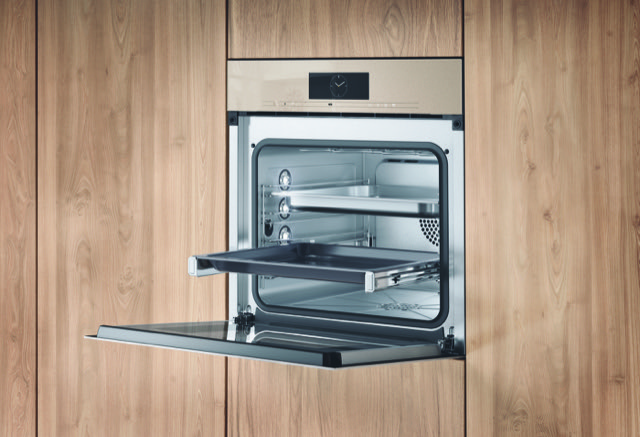
While steam cooking has long been used in professional kitchens, domestic appliances such as Miele’s built-in DG 720 steam oven, have made the practice far more accessible at home. Miele steam ovens are designed to distribute steam evenly throughout the cooking cavity, maintaining precise control over temperature and humidity.
“Consistency is what gives home cooks confidence,” Champion explains. “When the environment is controlled, you can rely on the result every time.”
The power of combination steam
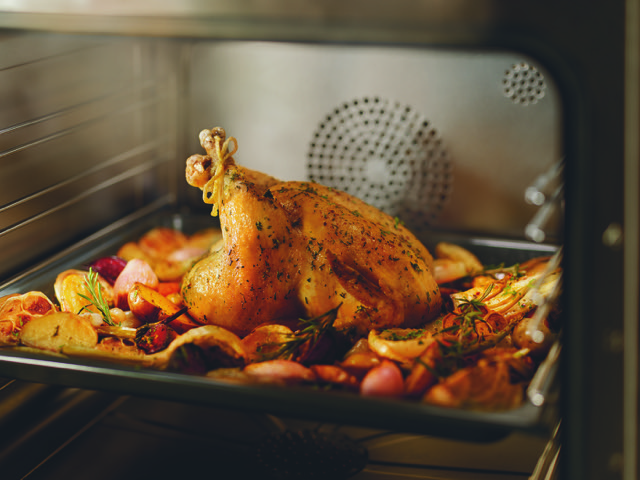
For greater versatility, combination steam ovens, such as the DGC 7440 HC Pro from Miele, integrate moist heat with traditional oven functions such as fan heat and grilling. This allows cooks to retain moisture while still achieving golden finishes and crisp textures when required.
“Combination steam gives you flexibility,” says Champion. “With appliances such as the combination steam ovens by Miele, you can cook gently to preserve moisture, then introduce dry heat to finish the dish exactly the way you want.”

A modern approach to everyday cooking
What was once reserved for professional kitchens is now becoming part of everyday home cooking. As more people discover the benefits of moist heat, steam is emerging as a practical, reliable and healthier way to prepare food.
“Steam has always been one of the most effective ways to cook,” Champion concludes. “What has changed is that it is now accessible, faster, safer and perfectly suited to modern lifestyles.”
For more information, visit www.miele.co.za.
Read Essential Flavours online