

Sustainable farming is reshaping how food is produced, with a focus on working with nature rather than against it. It brings together environmental care, economic sustainability and community wellbeing to support long-term food security.
In South Africa, where agriculture plays a key role in employment and food supply, this approach is becoming increasingly important.
Farming that works with nature
Sustainable farming follows natural systems. Instead of intensive methods, farmers use practices that support soil health, animal welfare and biodiversity.
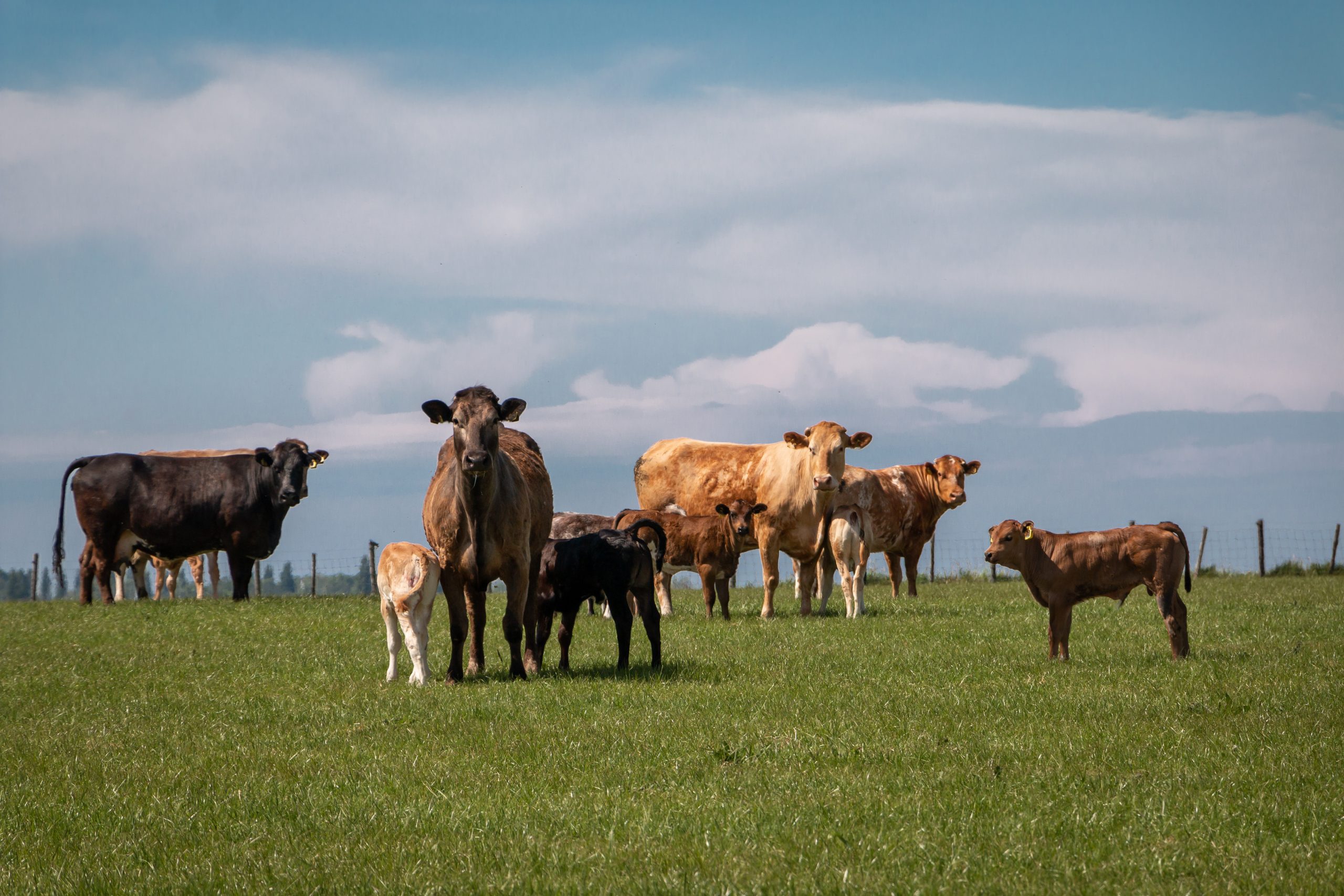
Cattle are allowed to graze freely and are rotated across pastures. This improves grass growth, reduces soil erosion and supports healthier livestock.
The result is a system that benefits both the land and the animals.
A circular approach to agriculture
Everything on a sustainable farm is connected.
Crops feed livestock. Manure returns nutrients to the soil. Rotational systems maintain balance across the farm.
This reduces waste, lowers input costs and supports stronger ecosystems. It also improves long-term soil quality, which is essential for consistent food production.
Better soil, better food
Healthy soil produces better crops.
Food grown in nutrient-rich soil tends to be more flavourful and more nutritious. Grass-fed livestock also develop deeper, richer flavours.
This link between soil health and food quality is a key reason sustainable farming continues to gain traction.
Environmental impact and resilience
Sustainable farms also support the environment in measurable ways.
They help store carbon in the soil, conserve water and create habitats for wildlife. Some farms even achieve carbon-negative outcomes, removing more carbon than they produce.
These practices contribute to climate resilience and long-term agricultural stability.
Long-term economic value
While sustainable farming requires careful management, it often delivers stronger financial outcomes over time.
Reducing reliance on synthetic fertilisers and pesticides lowers costs. Healthier soil also improves yields and reduces the need for corrective inputs.
This creates a more stable and profitable system for farmers.
How consumers can support change
Consumers play a role in driving demand for sustainable farming.
Choosing locally produced food, supporting responsible brands and asking questions about sourcing all contribute to the shift.
Even small actions, such as growing herbs at home, help build awareness and connection to food systems.
A future shaped by responsible farming
As more South African farmers adopt sustainable practices, the focus shifts toward protecting resources while maintaining productivity.
Sustainable farming shows that it is possible to produce food responsibly while supporting ecosystems and communities.
The future of agriculture depends on this balance.
Read Essential Flavours online