

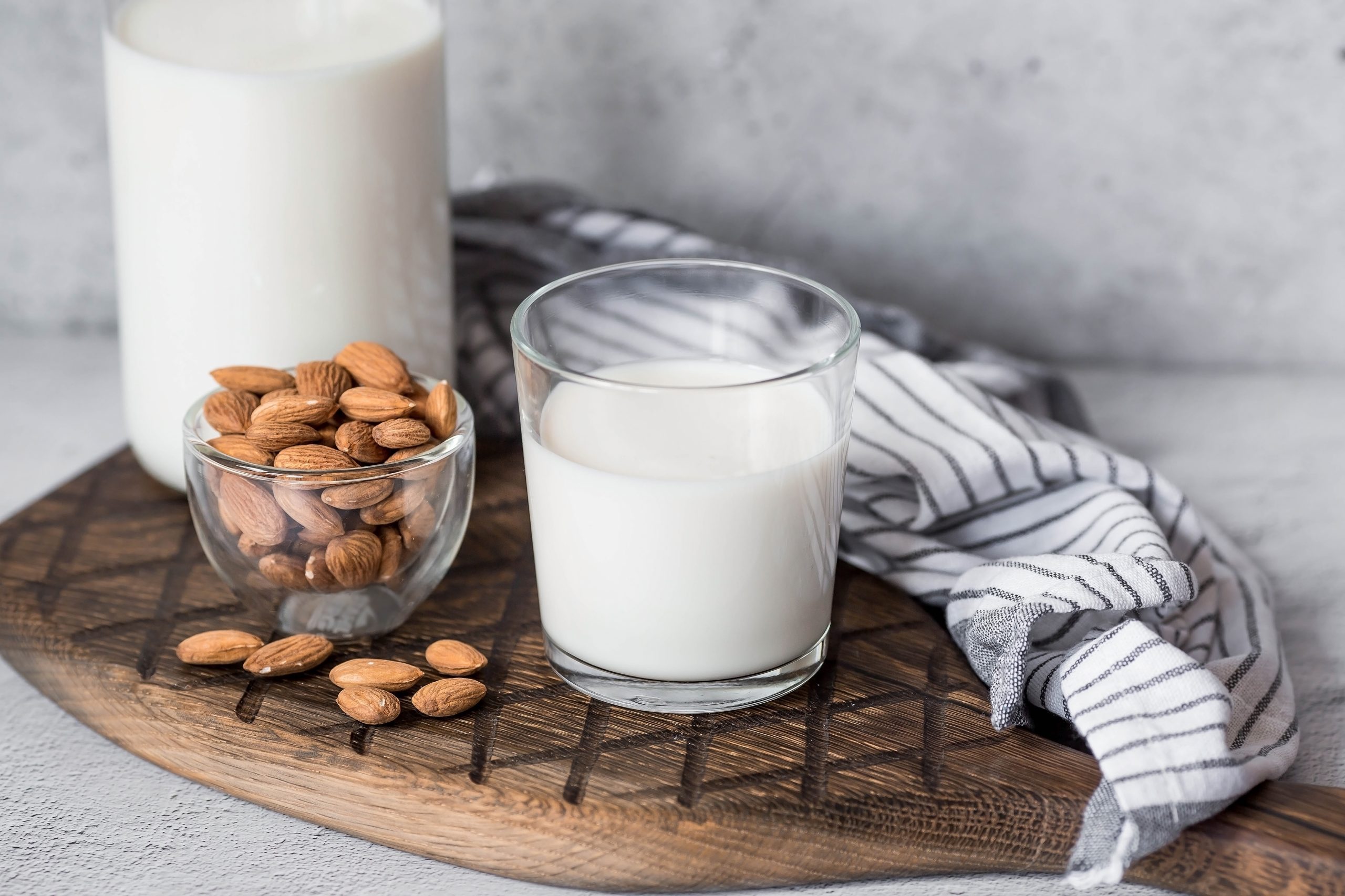
From artisanal cafés to suburban kitchens, plant-based milks are no longer just a dairy-free alternative; they’ve become a staple in modern South African cooking and conscious living.
Stroll into any Checkers, Pick n Pay, or Food Lover’s Market today, and you’ll find fridge shelves proudly displaying a spectrum of almond, oat, macadamia, and coconut milks. Once reserved for health shops and niche consumers, these dairy-free options are now at the heart of a food revolution.
According to ButtaNutt founder and CEO Antoine van Heerden, local demand for plant-based milk has seen triple-digit growth annually since 2020.
While South Africa still lags behind the US, where plant-based milks account for 15% of the dairy market, they now make up 1–2% of the 1.5 billion litres consumed each year.
But it’s no longer just about replacing dairy. Each variety brings something unique to the table. Oat milk’s creamy sweetness enriches sauces and bakes; almond milk lends a light nuttiness to lattes and desserts; while macadamia milk offers buttery depth perfect for puddings.
Coconut versions, on the other hand, add tropical flair to smoothies and curries.
“There’s flavour, there’s functionality, and there’s nutrition,” says van Heerden. “That’s what’s driving the shift.”
Why South Africans Are Switching
- Roughly 66% of the population experiences some level of lactose intolerance. For many, plant-based milk is more than a choice, it’s a necessity.
- These milks are naturally cholesterol-free, lower in saturated fat, and often fortified with calcium, vitamin D, and B12.
- Almond milk brings vitamin E for glowing skin, soy milk offers complete plant protein, and oat milk provides slow-release energy, ideal for active lifestyles.
Better for the Planet, Too
The green credentials are compelling. Producing oat milk uses just 5% of the water required for cow’s milk. Its carbon footprint and land use are significantly lower too, making it a go-to for eco-conscious consumers.
What to Look For
Van Heerden warns that not all plant-based milks are equal. “Always check the label,” he advises. “Some contain added sugars, gums, flavourings, and colourants. The cleanest options keep it simple, just nuts, grains, water, and a pinch of salt or sweetener.”
Beyond the Latte
Baristas at Kauai, Vida, and Seattle Coffee Co are already crafting plant-based flat whites and frothy cappuccinos. But the culinary uses go further, think dairy-free risottos, silky custards, creamy soups, or homemade vegan ice cream.
As prices fall (currently 1.5–3 times the cost of dairy but dropping steadily), accessibility improves. Local producers like ButtaNutt are keeping supply fresh while supporting South African farmers.
This isn’t just a trend, it’s a lifestyle shift. Whether you’re avoiding dairy, exploring new recipes, or making climate-conscious choices, plant-based milks offer something deliciously different.
SEO Elements
- Slug: plant-based-milks-south-africa
- Keyphrase: plant-based milks South Africa
- Meta Description: Discover how plant-based milks are transforming kitchens across South Africa. From oat to almond and macadamia, these dairy-free options are reshaping recipes, nutrition, and sustainability.
- Tags: plant-based, dairy alternatives, almond milk, oat milk, vegan recipes, sustainable food, South African nutrition, ButtaNutt, lactose-free, healthy living.
